

Does Composite Expiration Really Matter? New Research Insights
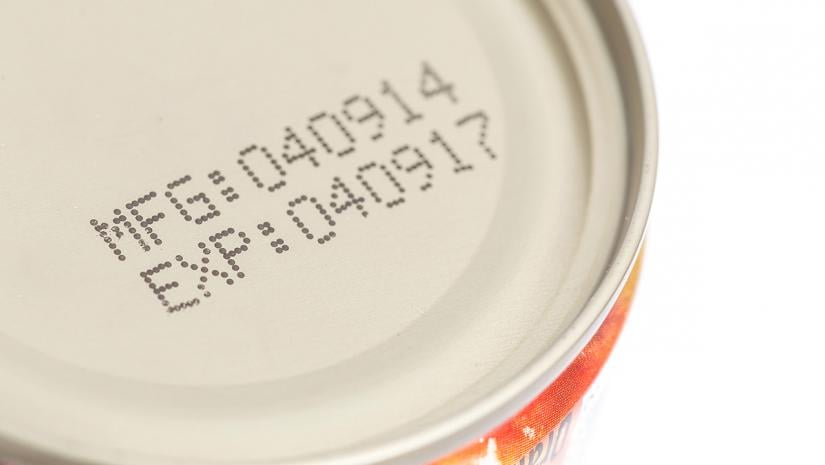
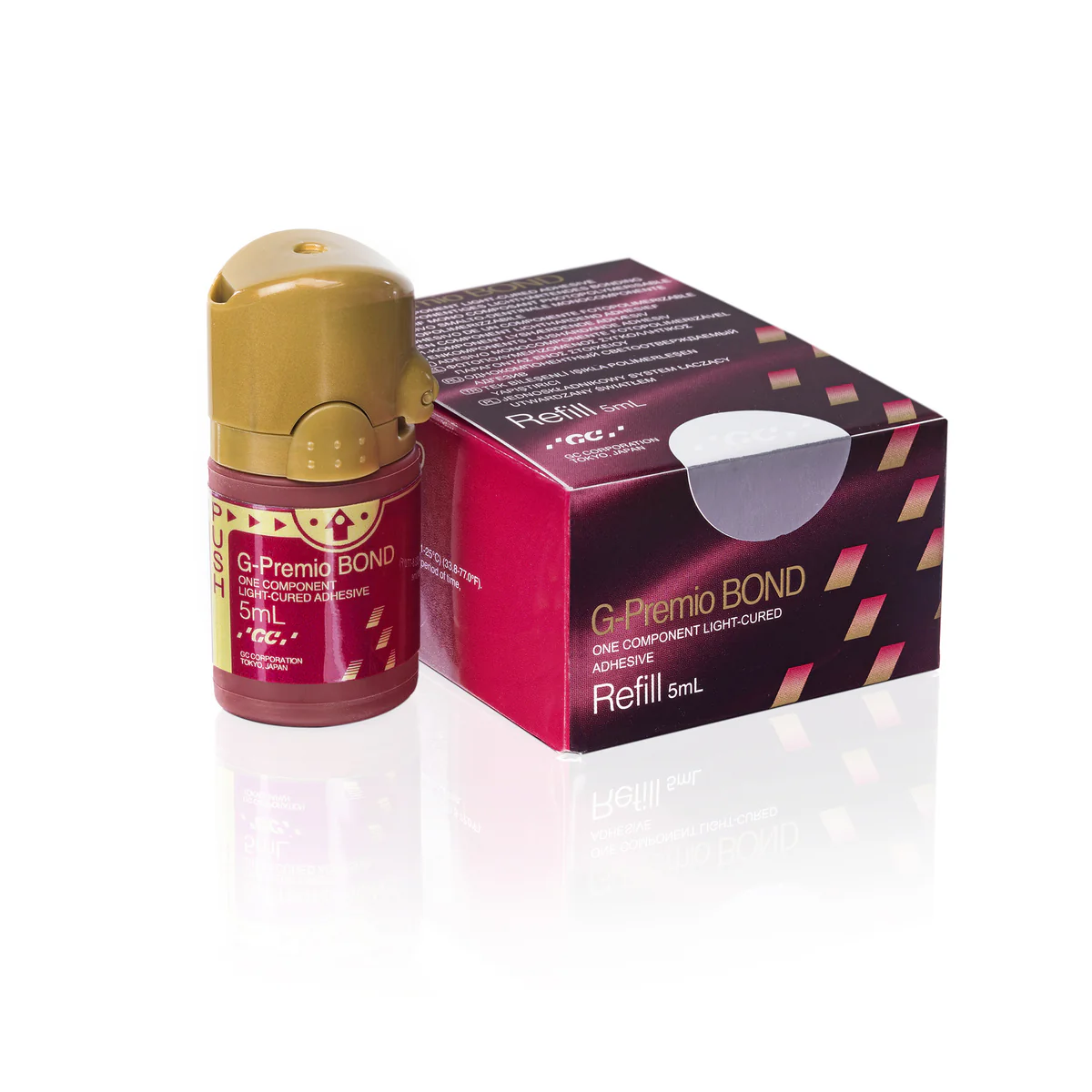
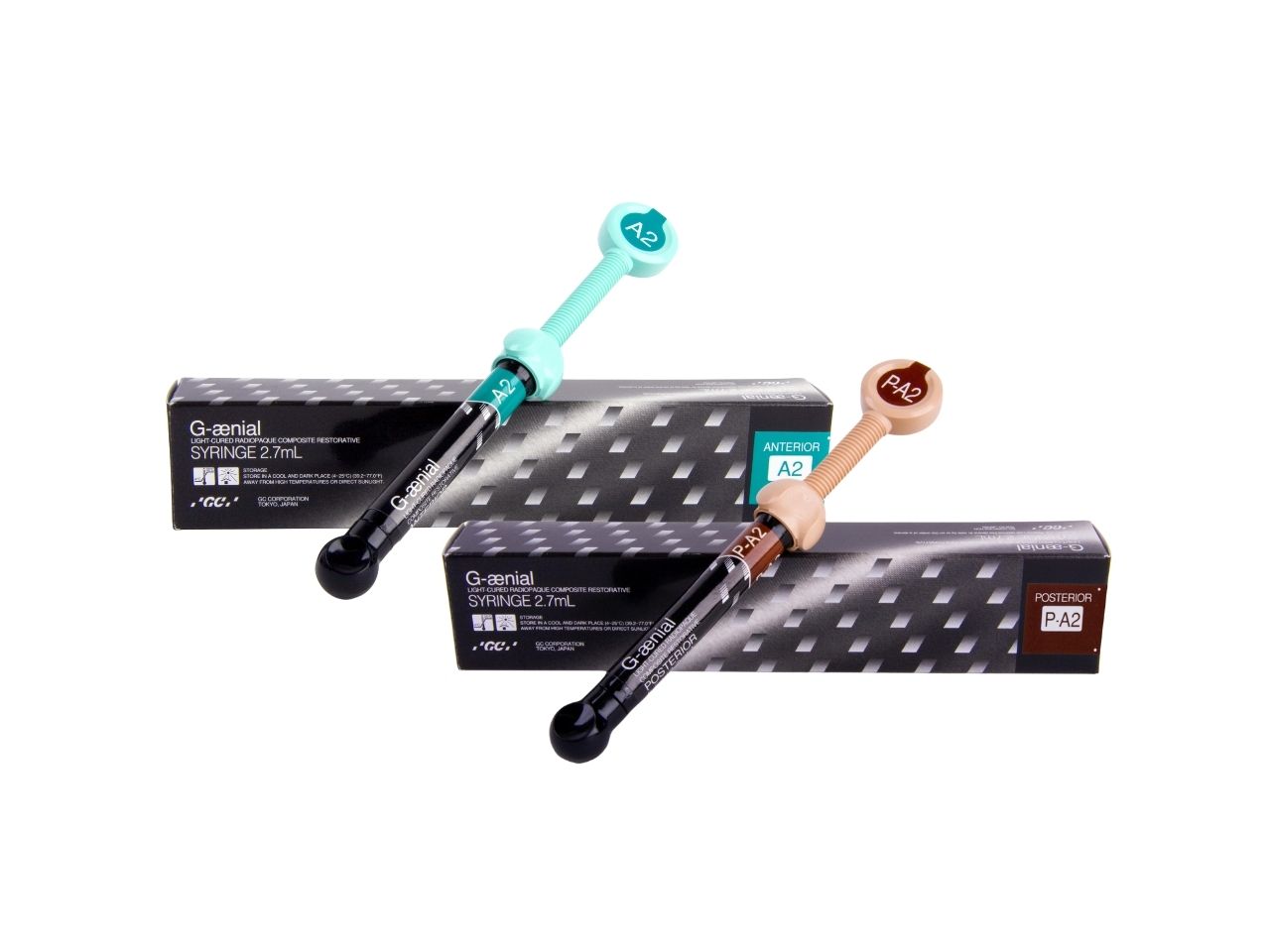
We’ve all been there: checking the shelf and finding a tube of resin composite that recently hit its expiration date. Is it still viable for clinical use, or does it compromise patient outcomes? A recent study evaluated the dentin bond strength and color stability of expired vs. non-expired resin composites (GC G-ænial), and the results serve as a vital reminder for clinical excellence. The Study at a Glance Researchers compared four groups ranging from 2 years past expiration to 2 years before expiration. They measured: * Bond Strength: Using shear bond strength tests on dentin. * Aesthetics: Measuring color change after immersion in a tea solution for 28 days. Key Findings * Strength Compromised: Group 1 (2 years expired) showed significantly lower bond strength (97.25 ± 20.33 MPa) compared to the non-expired Group 4 (149.45 ± 32.75 MPa). * Aesthetic Shift: Color stability decreased notably after expiration. Non-expired groups maintained significantly better resistance to staining over a 28-day period. * Statistical Significance: The performance gap between expired and non-expired materials was statistically significant. Clinical Takeaway While it may be tempting to "stretch" the life of materials, this study reinforces that expiration dates are not just suggestions. To ensure the longevity of restorations and the satisfaction of our patients, using fresh, properly stored materials is non-negotiable. Bottom line: Better bond strength and predictable aesthetics start with checking the label.
No comments yet, but you can always be the first